Korean Bibimbap
Highlighted under: Local Inspiration
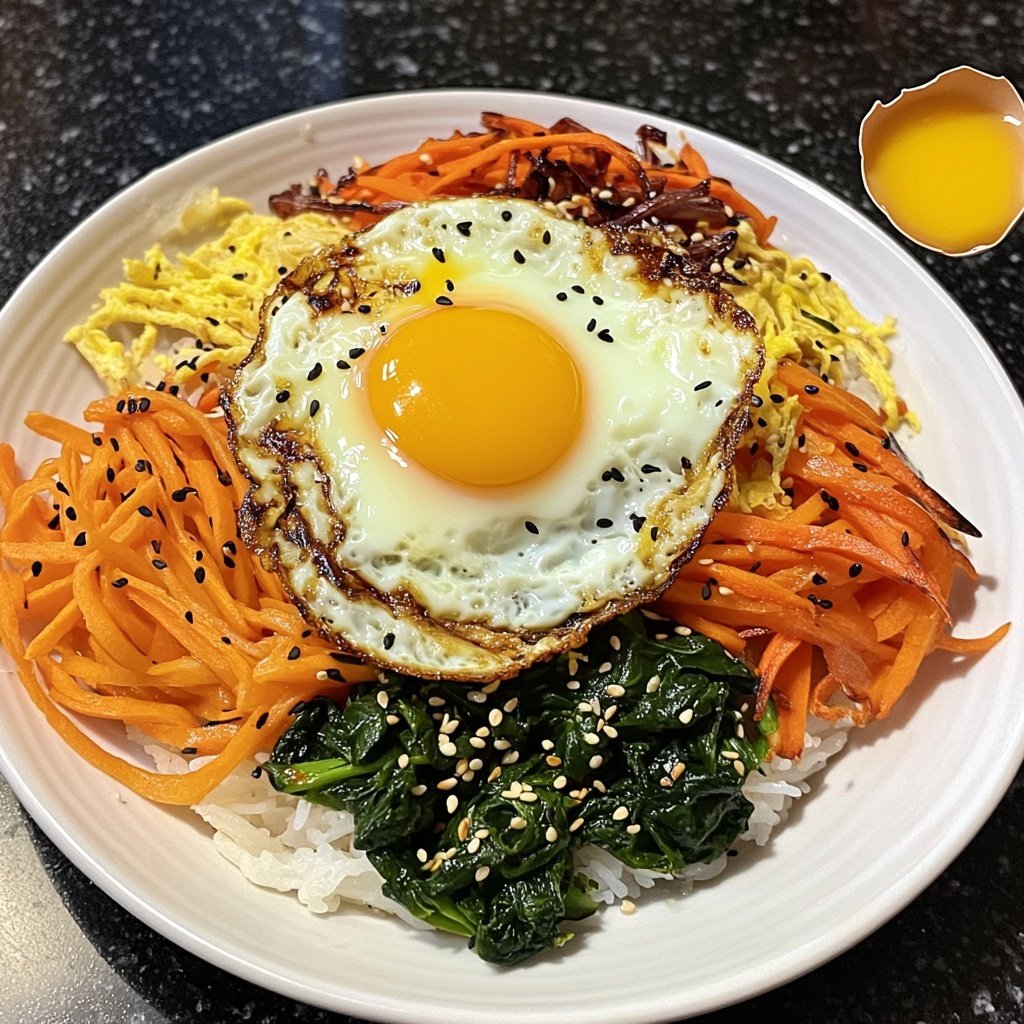
Korean Bibimbap is a vibrant and delicious dish that brings together a variety of fresh vegetables, marinated meat, and a perfectly fried egg over a bed of steaming rice, all topped with spicy gochujang sauce.
Korean Bibimbap is not just a meal; it's an experience. Each ingredient represents a different flavor and texture, creating a harmonious blend that keeps you coming back for more. It's a perfect dish for sharing with friends and family!
Why You'll Love This Recipe
- Colorful and nutritious array of ingredients
- Customizable to suit various tastes and preferences
- Perfectly balanced flavors with a spicy kick
The Essence of Bibimbap
Bibimbap, which translates to 'mixed rice,' is a quintessential Korean dish that showcases the beauty of simplicity and balance. Each ingredient is carefully chosen not only for its flavor but also for its nutritional benefits, making this dish a wholesome meal option. The vibrant colors of the vegetables create a visual feast, while the combination of textures—from the crunchy vegetables to the tender meat—adds to the overall experience.
Traditionally, Bibimbap is served in a hot stone bowl, which helps to create a crispy layer of rice at the bottom. However, this recipe presents a more accessible version that can be prepared in any kitchen. The key to a great Bibimbap lies in the harmony of flavors, where the earthiness of the vegetables, the richness of the meat, and the spiciness of the gochujang work together to create a delightful medley.
Customizing Your Bibimbap
One of the best aspects of Bibimbap is its versatility. You can easily customize it to fit your dietary preferences or to use up whatever vegetables you have on hand. If you're a fan of mushrooms, feel free to add enoki or portobello mushrooms for a different flavor profile. For those who prefer a vegetarian option, swapping the ground beef for tofu is a fantastic choice, allowing the dish to remain hearty and satisfying.
Moreover, the toppings can vary widely. You might want to include pickled vegetables for an extra tangy kick or even avocado slices for a creamy texture. The beauty of Bibimbap lies in its adaptability, encouraging creativity while still delivering a delicious meal.
Serving Suggestions
Bibimbap is often enjoyed as a standalone meal, but it also pairs wonderfully with various side dishes, known as banchan, such as kimchi, pickled radishes, or seasoned cucumbers. These sides not only enhance the meal but also provide additional flavors and textures that complement the main dish.
For a complete dining experience, consider serving Bibimbap with a refreshing Korean beverage like Sikhye, a sweet rice drink, or traditional barley tea. These drinks help cleanse the palate and balance the meal, making it even more enjoyable.
Ingredients
For the Bibimbap
- 2 cups cooked white rice
- 1 cup spinach, blanched
- 1 cup carrots, julienned
- 1 cup zucchini, julienned
- 1 cup bean sprouts, blanched
- 1 cup shiitake mushrooms, sliced
- 4 eggs
- 1 lb ground beef (or tofu for a vegetarian option)
- 2 tablespoons sesame oil
- 2 tablespoons gochujang (Korean chili paste)
- Salt and pepper to taste
- Sesame seeds for garnish
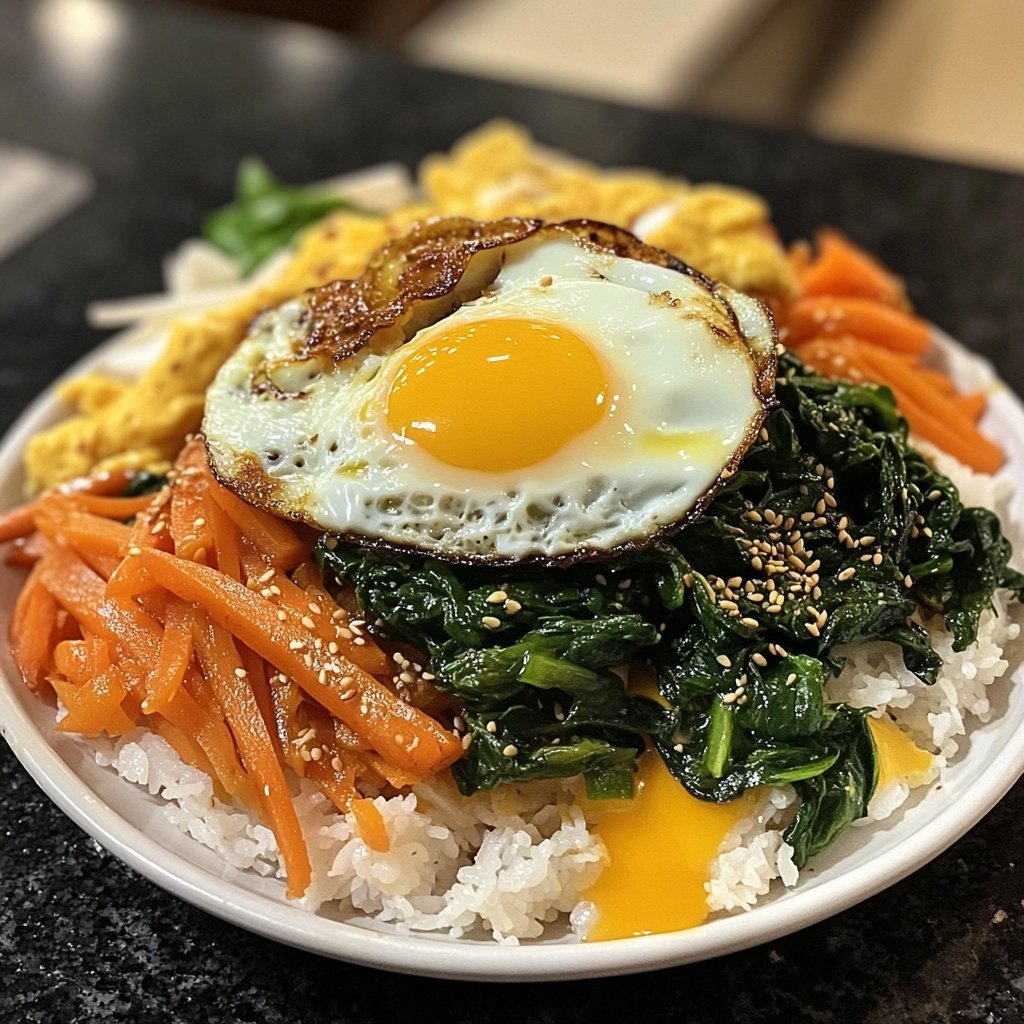
Gather all ingredients and prepare your toppings before assembling the dish.
Instructions
Prepare the Vegetables
In a skillet, heat sesame oil over medium heat. Sauté the zucchini, carrots, and mushrooms until tender. Add salt and pepper to taste. Set aside.
Cook the Beef
In the same skillet, add ground beef and cook until browned. Season with salt and pepper. Remove from heat.
Fry the Eggs
In another pan, fry the eggs sunny-side up until the whites are set but the yolks are still runny.
Assemble the Bibimbap
In a large bowl, place a serving of rice at the bottom. Arrange the cooked vegetables and beef on top of the rice. Finish with a fried egg in the center and a dollop of gochujang. Garnish with sesame seeds.
Mix everything together before eating for a burst of flavor!
Pro Tips
- Feel free to add any other vegetables you like, such as radishes or bell peppers. For a vegetarian version, substitute the beef with marinated tofu.
Ingredient Insights
The key ingredients in Bibimbap are what truly bring this dish to life. Fresh, seasonal vegetables are essential, as they contribute not only flavor but also vibrant colors that make the dish visually appealing. Spinach, carrots, zucchini, and bean sprouts are commonly used, but feel free to experiment with other vegetables like bell peppers or radishes.
Gochujang, the spicy Korean chili paste, is a must-have for that authentic kick. It adds depth and umami to the dish, making it irresistible. If you're sensitive to spice, adjust the amount used or opt for a milder sauce, but don't skip it entirely, as it’s integral to the Bibimbap experience.
Storing and Reheating
If you have leftovers, storing Bibimbap is quite simple. Keep the components separate: store the rice, vegetables, and meat in airtight containers in the refrigerator. This will help maintain their flavors and textures. The fried egg is best cooked fresh when you’re ready to enjoy your leftovers.
When reheating, it’s best to warm the rice and vegetables together in a skillet over medium heat. Add a splash of water to create steam, which helps prevent the rice from drying out. For the egg, you can fry a fresh one or gently microwave it if you prefer. This way, you can enjoy a delicious Bibimbap just as good as the first time!
Questions About Recipes
→ Can I make Bibimbap vegetarian?
Yes! Simply replace the beef with tofu or other plant-based proteins.
→ What can I use instead of gochujang?
You can use sriracha or another chili paste, but keep in mind it may alter the flavor.
→ How can I make this dish spicier?
Add more gochujang or include sliced fresh chili peppers.
→ Can I prepare the ingredients in advance?
Absolutely! You can prep the vegetables and meat a day ahead and store them in the fridge.
Korean Bibimbap
Created by: Olwen Bradford
Recipe Type: Local Inspiration
Skill Level: Intermediate
Final Quantity: 4 servings
What You'll Need
For the Bibimbap
- 2 cups cooked white rice
- 1 cup spinach, blanched
- 1 cup carrots, julienned
- 1 cup zucchini, julienned
- 1 cup bean sprouts, blanched
- 1 cup shiitake mushrooms, sliced
- 4 eggs
- 1 lb ground beef (or tofu for a vegetarian option)
- 2 tablespoons sesame oil
- 2 tablespoons gochujang (Korean chili paste)
- Salt and pepper to taste
- Sesame seeds for garnish
How-To Steps
In a skillet, heat sesame oil over medium heat. Sauté the zucchini, carrots, and mushrooms until tender. Add salt and pepper to taste. Set aside.
In the same skillet, add ground beef and cook until browned. Season with salt and pepper. Remove from heat.
In another pan, fry the eggs sunny-side up until the whites are set but the yolks are still runny.
In a large bowl, place a serving of rice at the bottom. Arrange the cooked vegetables and beef on top of the rice. Finish with a fried egg in the center and a dollop of gochujang. Garnish with sesame seeds.
Extra Tips
- Feel free to add any other vegetables you like, such as radishes or bell peppers. For a vegetarian version, substitute the beef with marinated tofu.
Nutritional Breakdown (Per Serving)
- Calories: 500 kcal
- Total Fat: 22g
- Saturated Fat: 6g
- Cholesterol: 210mg
- Sodium: 800mg
- Total Carbohydrates: 58g
- Dietary Fiber: 4g
- Sugars: 5g
- Protein: 20g