Classic French Croissants
Highlighted under: Modern Inspiration
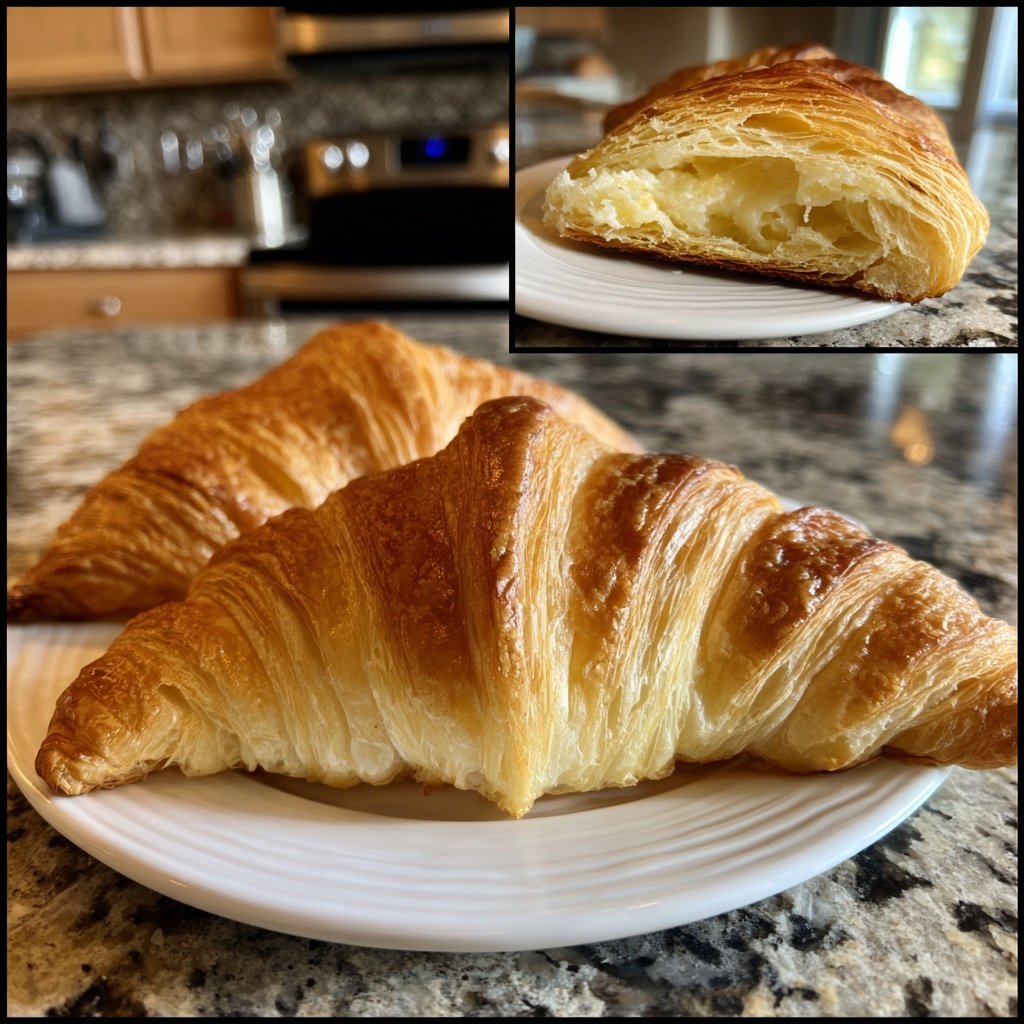
I’ve always been fascinated by the flaky layers of a classic French croissant, and making them at home felt like a true culinary adventure. The process of folding butter into the dough allows each layer to create that iconic texture. After several attempts, I finally perfected my technique and discovered the importance of letting the dough rest at each stage. The result? Golden, buttery croissants that are perfect for breakfast or an afternoon treat, and absolutely worth the effort!
Making croissants from scratch has been a delightful journey, filled with both challenges and rewards. I remember my first attempt; the dough was too sticky and I was unsure about the folding technique. After researching and practicing multiple methods, I found that using chilled butter and dividing the dough appropriately really makes a difference. Each time I pull a tray of golden croissants from the oven, I can't help but feel proud!
What I've learned is that patience is key during the resting periods. Allowing the dough to rest not only makes it easier to handle, but it also develops a richer flavor. Watching them rise in the oven is pure joy, and the smell of freshly baked croissants is simply irresistible!
Why You'll Love This Recipe
- The aroma of freshly baked croissants fills your kitchen with warmth.
- Each bite reveals buttery, flaky layers that redefine breakfast.
- Perfect for any occasion, from casual brunches to elegant gatherings.
Mastering the Dough
The foundation of a great croissant lies in the dough itself. Mixing the ingredients properly is essential. When combining the flour, salt, sugar, and yeast, ensure that the yeast does not come into direct contact with the salt at first, as high salt concentration can inhibit yeast activity. After kneading, your dough should be soft and elastic, showing a sheen that's indicative of gluten development. If it feels too stiff, consider adding a tiny bit more cold water.
Resting the dough for four hours is not just a waiting game; it allows the gluten to relax, making the dough easier to roll out later. A well-rested dough also enhances the final texture of your croissants. For best results, consider refrigerating the dough overnight. This longer resting time develops flavor further while creating a more manageable dough for rolling out.
Butter Technique Matters
The technique of incorporating butter into the dough is crucial for creating those signature flaky layers. When rolling out the butter slab, it's important to keep it cold and firm; if it becomes too soft, the layers will blend instead of remaining distinct. Aim for a butter thickness of about 1/2 inch for optimal layering. Using parchment paper to roll out the butter prevents sticking and minimizes cleanup.
During the lamination process, each fold helps trap air and creates separation between the layers. After each roll-out, ensure you’re rolling the dough to an even thickness, about 1/4 inch, and folding it neatly to avoid uneven layers. If you notice resistance when rolling, give the dough a short rest of 10-15 minutes before continuing. This allows the gluten to relax, helping achieve that delicate, airy croissant texture.
Final Touches and Storage
For the final proofing step, warmth is key. Place your baking sheet with the shaped croissants in a slightly warm oven (turned off) or a proofing box to speed up the rising process. Cover them lightly with a clean kitchen towel to prevent any drying out. You’ll know they are ready to bake when they have approximately doubled in size, which typically takes 1-2 hours.
If you want to make croissants ahead of time, they can be frozen after shaping and before the final proof. Simply wrap them individually in plastic wrap and place them in an airtight container. To bake from frozen, let them thaw and rise for about 3-4 hours at room temperature. This method retains the fresh, flaky quality you're aiming for, even when prepared in advance!
Ingredients
For the Dough
- 500g all-purpose flour
- 10g salt
- 40g sugar
- 10g instant yeast
- 300ml cold water
- 250g unsalted butter (chilled)
For Egg Wash
- 1 egg (beaten)
- 1 tablespoon milk
Make sure to keep all ingredients cold for best results.

Steps to Prepare
Prepare the Dough
In a large bowl, combine flour, salt, sugar, and instant yeast. Gradually add cold water while mixing until a dough forms. Knead for about 10 minutes until smooth, then shape into a ball, wrap in plastic, and refrigerate for 4 hours.
Incorporate the Butter
Roll the chilled butter between two sheets of parchment paper into a rectangle about 1/2 inch thick. Chill again until firm. Take the dough from the fridge and roll it out into a rectangle two times larger than the butter slab. Place the butter in the center and fold the dough over it.
Laminate the Dough
Roll the dough out again, integrating the butter. Fold it into thirds (like a letter) and then roll out again to create layers. Repeat this process two more times, chilling the dough for 30 minutes between each fold.
Shape the Croissants
After the last fold, roll the dough into a 1/4 inch thick rectangle. Cut triangles that are about 5 inches at the base. Roll each triangle from the base to the tip and shape into a crescent. Place on a baking sheet lined with parchment.
Final Proof
Let the shaped croissants rise at room temperature for about 1-2 hours until doubled in size.
Bake
Preheat the oven to 400°F (200°C). Combine egg and milk for the wash and brush over each croissant. Bake for 15-20 minutes until golden brown.
Serve
Allow to cool slightly before enjoying your croissants warm, fresh from the oven.
Enjoy your homemade croissants with jam, butter, or simply on their own!
Pro Tips
- Make sure to keep your ingredients cold, especially the butter. The colder the butter, the flakier your croissants will be.
Ingredient Substitutions
While unsalted butter is the traditional choice for croissants, using cultured butter can introduce a slightly tangy flavor that enhances the depth of your croissants. If you're looking for a dairy-free option, consider using coconut butter or a plant-based butter alternative, but keep in mind that these may alter the texture and flavor slightly.
Another common substitution is replacing all-purpose flour with bread flour; this can improve the structure but may result in a denser croissant. If you are gluten-free, opting for a gluten-free flour blend specifically designed for baking can work, but the layers might not develop as well. Experimenting with ratios can help you find the right balance.
Serving Ideas
Freshly baked croissants are delightful on their own, but they can be elevated with various fillings or toppings. Consider adding a slice of ham and cheese for a savory option or spread a layer of chocolate ganache or almond paste before rolling for a sweet treat. They also pair beautifully with jams or fresh fruit to enhance your breakfast experience.
For an elegant twist, try serving croissants with a side of whipped cream and mixed berries, giving a classic dessert feel to your brunch table. I personally love to drizzle a little honey over them just before serving, adding a subtle sweetness that complements the buttery layers perfectly!
Questions About Recipes
→ Can I use whole wheat flour instead of all-purpose flour?
Yes, but whole wheat flour can make the croissants denser. You might want to try a mixture of both for better results.
→ How can I store leftover croissants?
Store them in an airtight container at room temperature for up to 2 days, or freeze for up to 3 months.
→ Is there a vegan version of croissants?
Yes, you can use vegan butter and a plant-based milk wash, but the texture may differ slightly.
→ What should I do if my dough is too sticky?
If your dough is too sticky, add a little more flour as you work it, but be careful not to add too much.
Classic French Croissants
Created by: Olwen Bradford
Recipe Type: Modern Inspiration
Skill Level: Intermediate
Final Quantity: 12 croissants
What You'll Need
For the Dough
- 500g all-purpose flour
- 10g salt
- 40g sugar
- 10g instant yeast
- 300ml cold water
- 250g unsalted butter (chilled)
For Egg Wash
- 1 egg (beaten)
- 1 tablespoon milk
How-To Steps
In a large bowl, combine flour, salt, sugar, and instant yeast. Gradually add cold water while mixing until a dough forms. Knead for about 10 minutes until smooth, then shape into a ball, wrap in plastic, and refrigerate for 4 hours.
Roll the chilled butter between two sheets of parchment paper into a rectangle about 1/2 inch thick. Chill again until firm. Take the dough from the fridge and roll it out into a rectangle two times larger than the butter slab. Place the butter in the center and fold the dough over it.
Roll the dough out again, integrating the butter. Fold it into thirds (like a letter) and then roll out again to create layers. Repeat this process two more times, chilling the dough for 30 minutes between each fold.
After the last fold, roll the dough into a 1/4 inch thick rectangle. Cut triangles that are about 5 inches at the base. Roll each triangle from the base to the tip and shape into a crescent. Place on a baking sheet lined with parchment.
Let the shaped croissants rise at room temperature for about 1-2 hours until doubled in size.
Preheat the oven to 400°F (200°C). Combine egg and milk for the wash and brush over each croissant. Bake for 15-20 minutes until golden brown.
Allow to cool slightly before enjoying your croissants warm, fresh from the oven.
Extra Tips
- Make sure to keep your ingredients cold, especially the butter. The colder the butter, the flakier your croissants will be.
Nutritional Breakdown (Per Serving)
- Calories: 200 kcal
- Total Fat: 12g
- Saturated Fat: 7g
- Cholesterol: 45mg
- Sodium: 70mg
- Total Carbohydrates: 22g
- Dietary Fiber: 1g
- Sugars: 1g
- Protein: 4g